Why Mouth Tape Doesn’t Always Stop Snoring Immediately
Many people try mouth tape hoping for an immediate reduction in snoring.
For some, the difference is noticeable on the first night. For others, it takes time. And in some cases, mouth breathing is only part of the story.
If you have tried mouth tape and haven’t seen a dramatic change straight away, here is what may be happening.
1. Mouth taping is a retraining tool
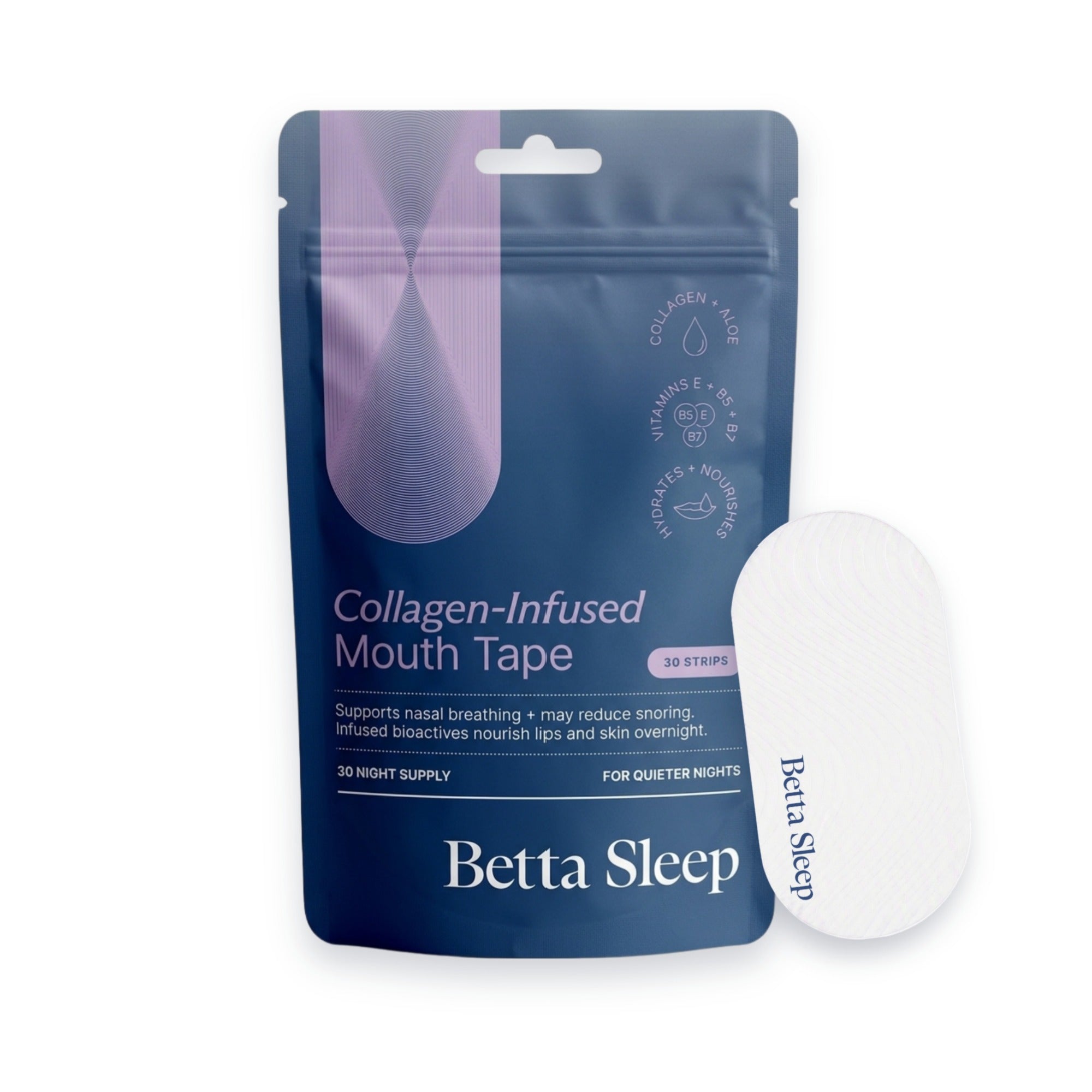
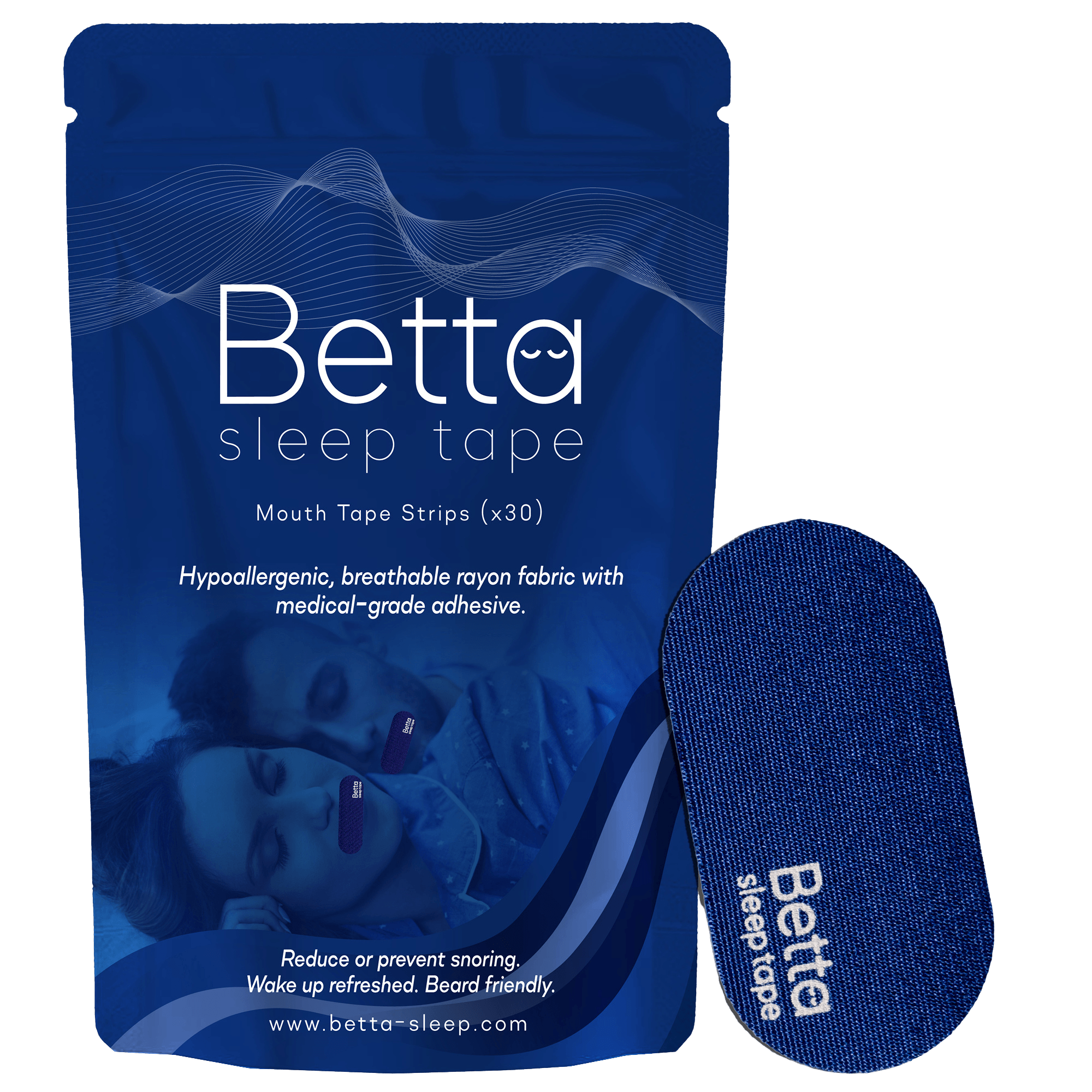
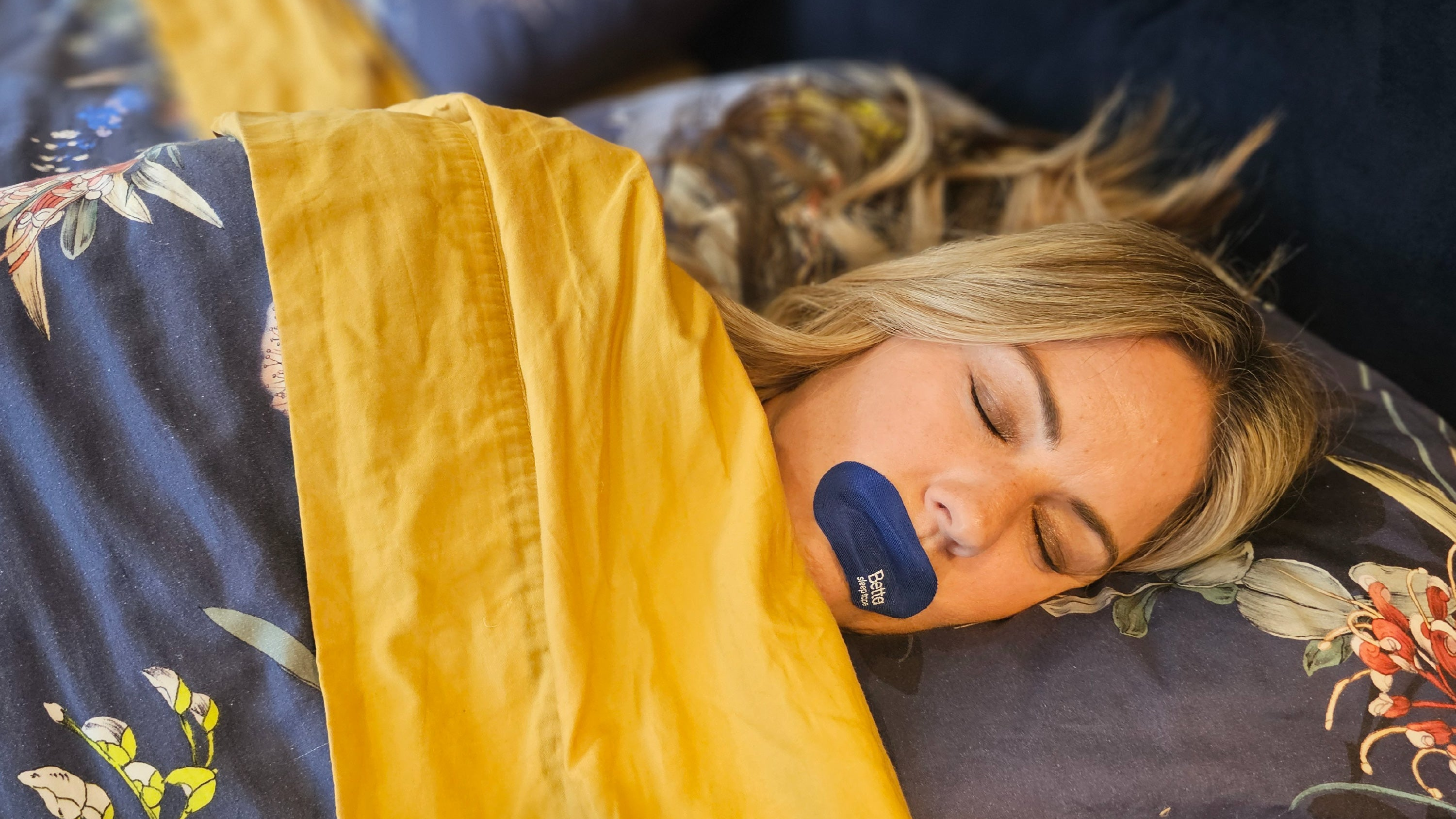
Mouth tape helps encourage nasal breathing during sleep. But breathing patterns are habits. Habits don’t always change overnight.
If you have been mouth breathing for years, your body may need time to adapt to breathing comfortably through your nose all night.
For some people, consistent use over 1 to 3 weeks makes a noticeable difference as the body adjusts.
2. Snoring has more than one cause
Mouth breathing is one common contributor to snoring. But it is not the only one.
Snoring can also be influenced by:
- Sleep position
- Nasal congestion
- Airway structure
- Muscle tone during sleep
- Alcohol before bed
Mouth tape can help when mouth breathing is part of the cause. If snoring continues, it may mean there are additional factors involved.
3. Nasal airflow matters
Mouth tape works best when you can breathe comfortably through your nose.
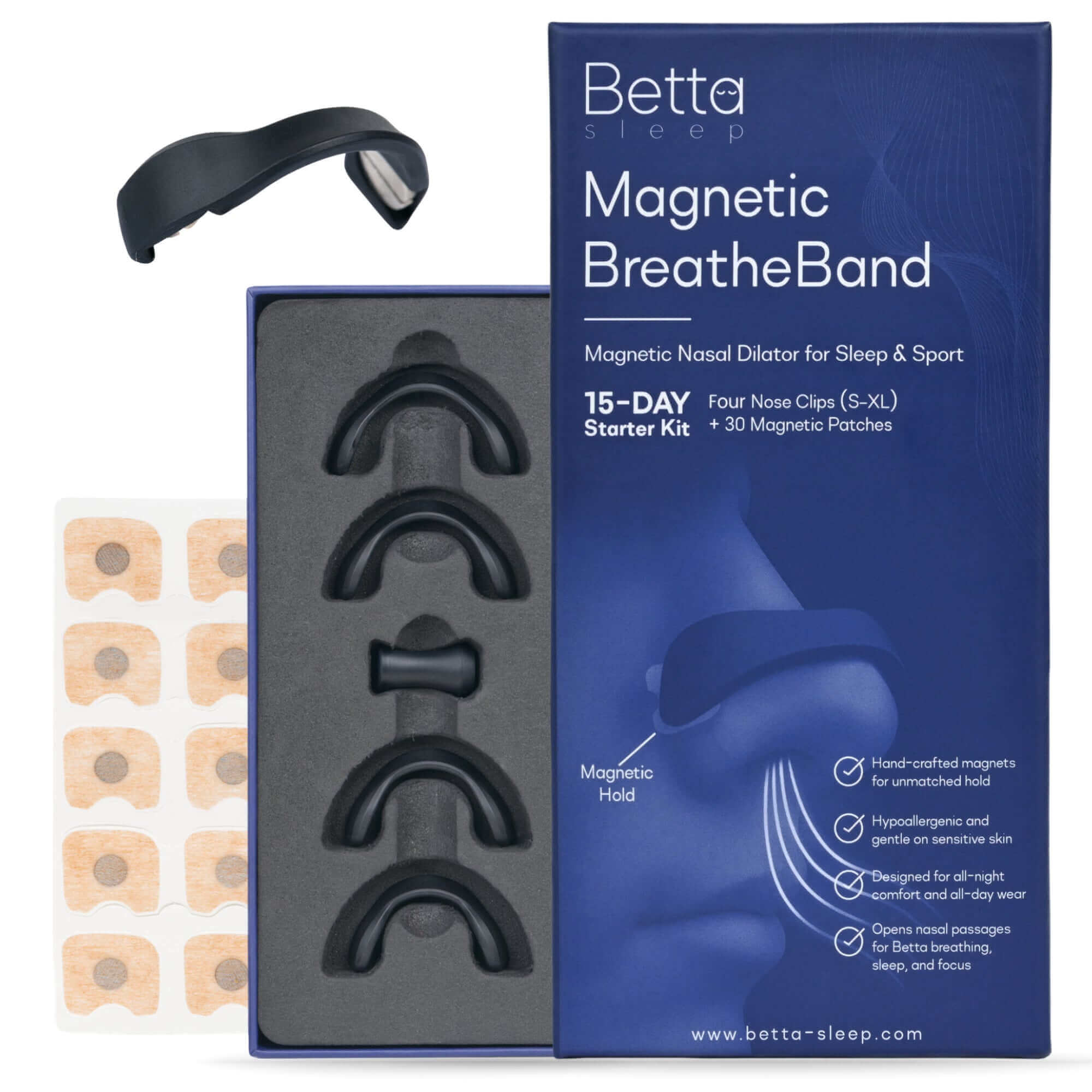
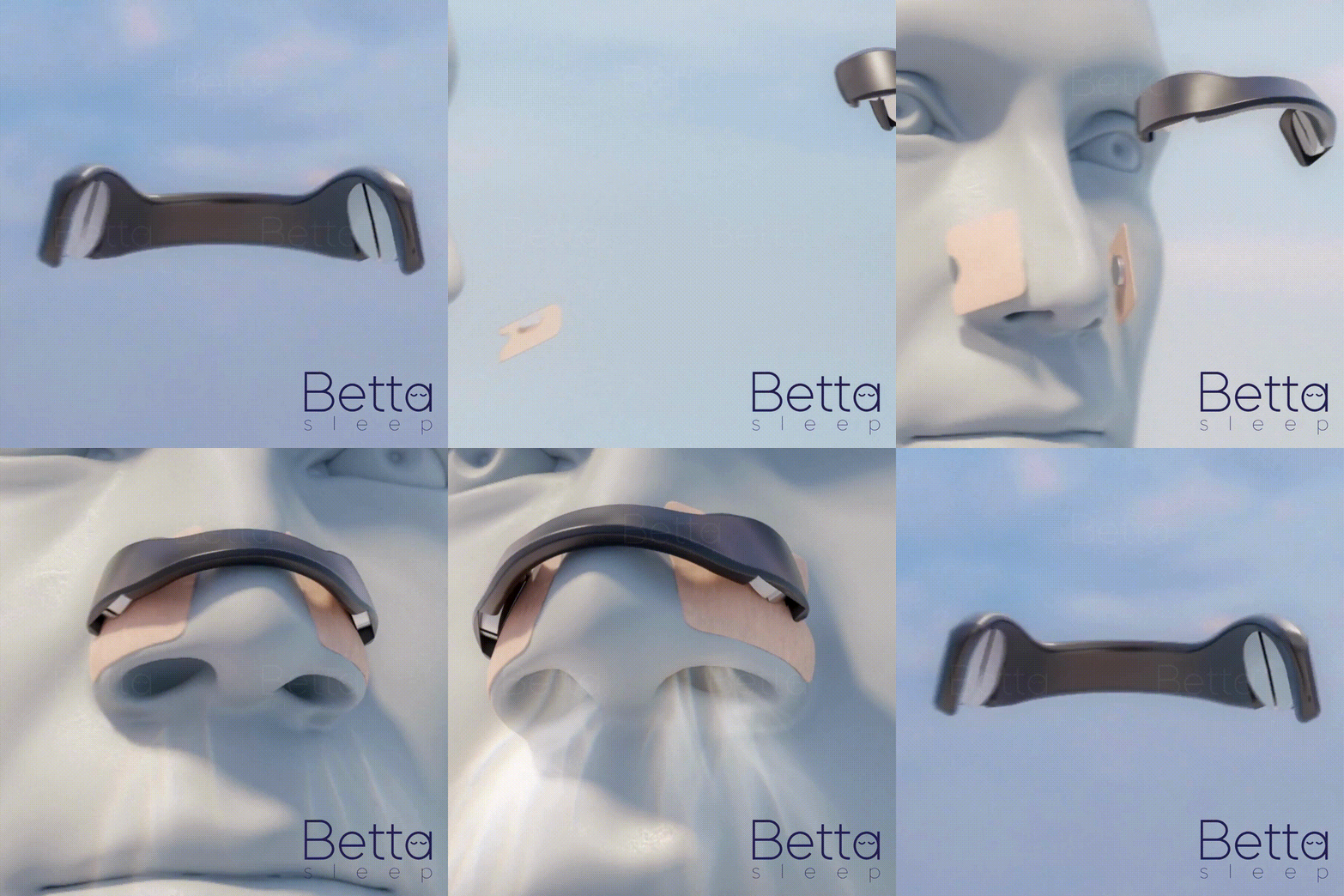
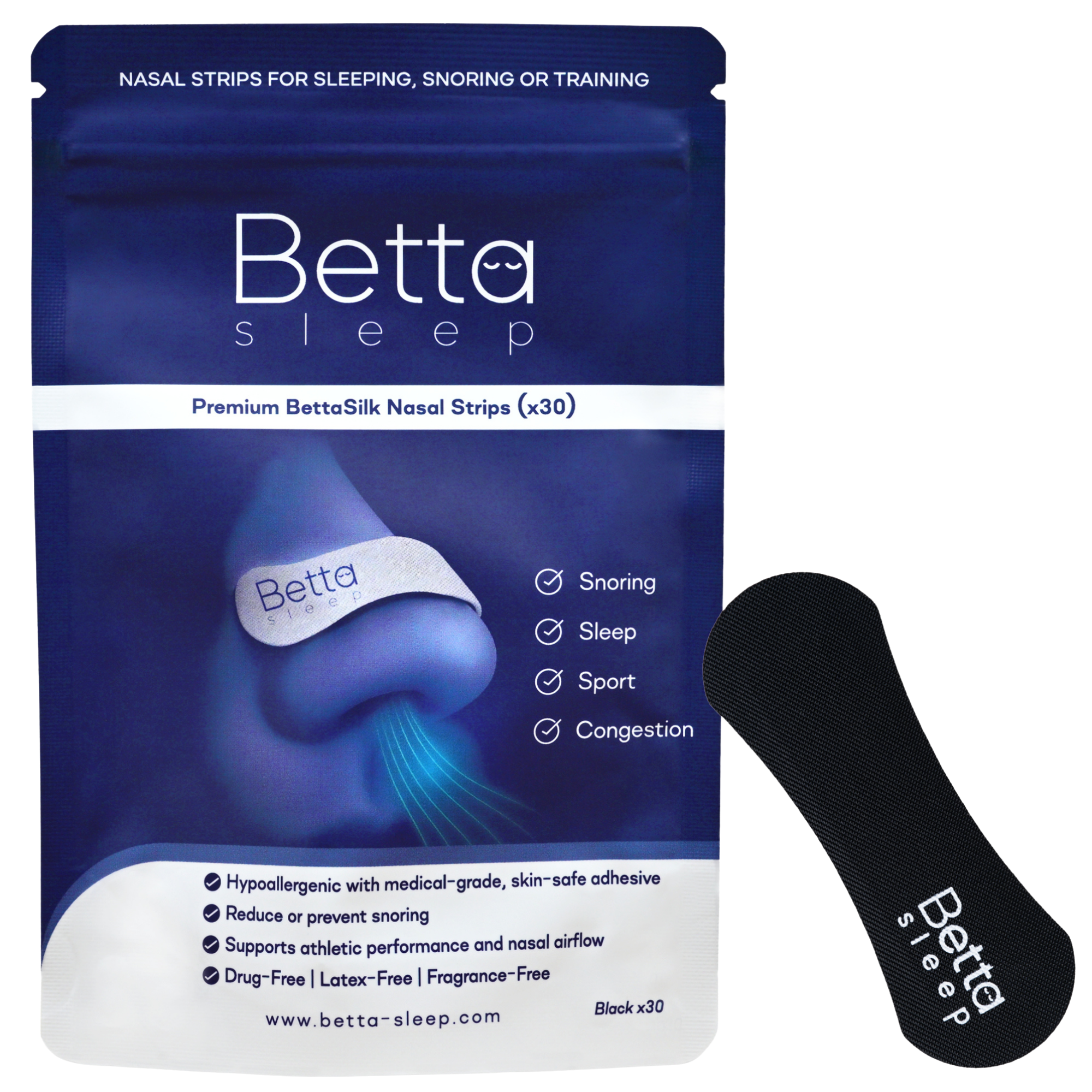
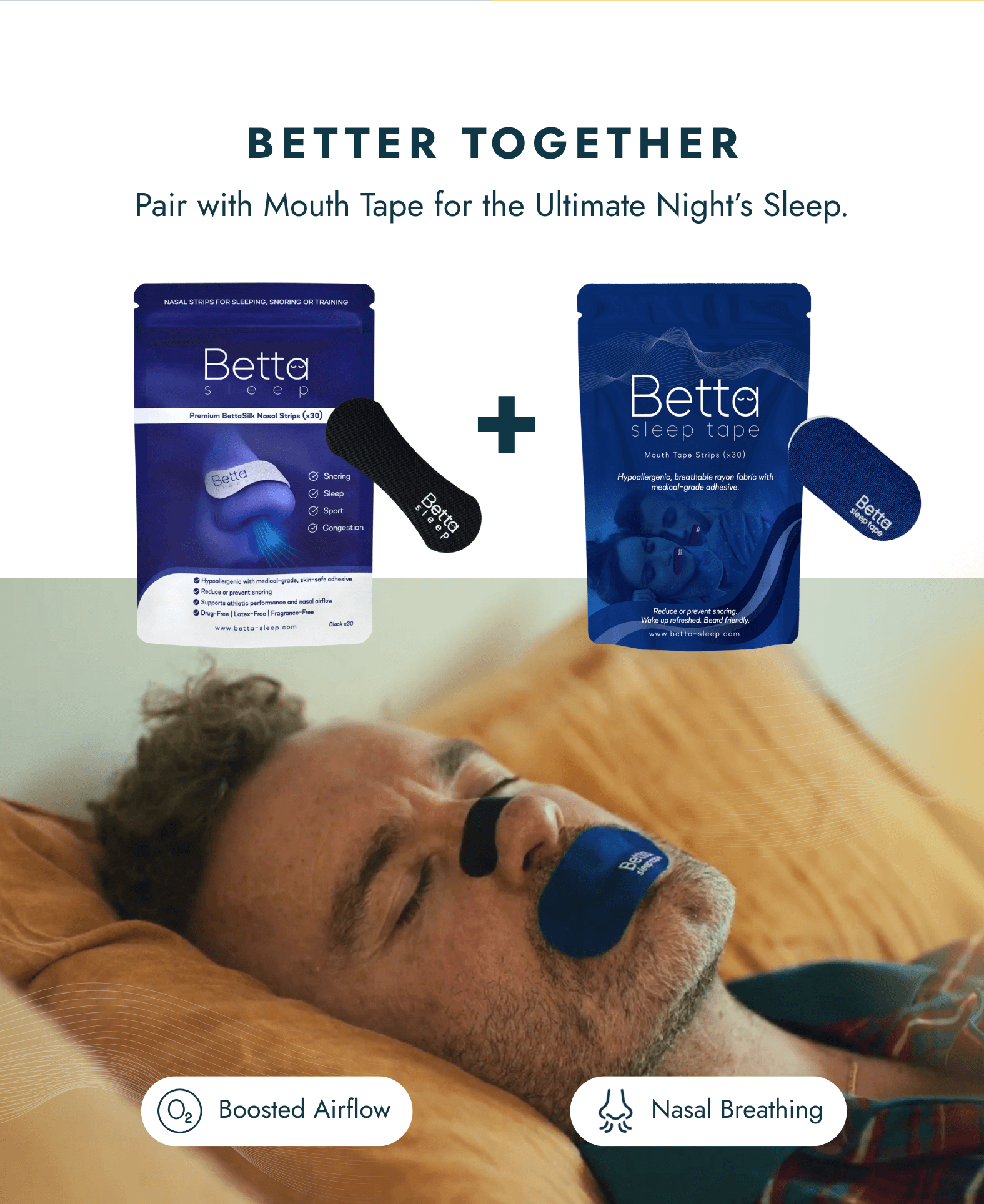
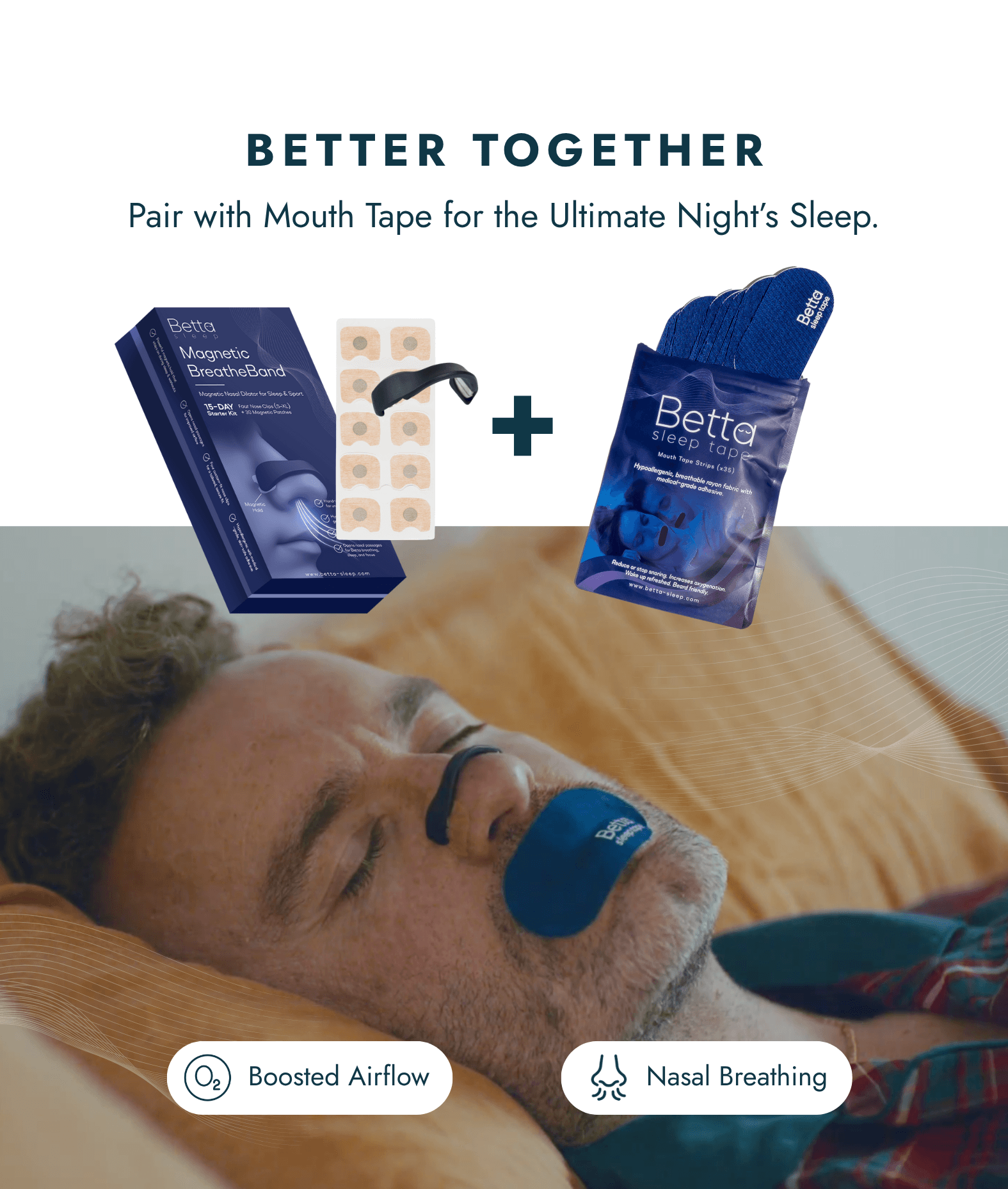
If nasal resistance is present, combining mouth tape with nasal support (such as nasal strips) can improve airflow and results.
4. When to speak to a professional
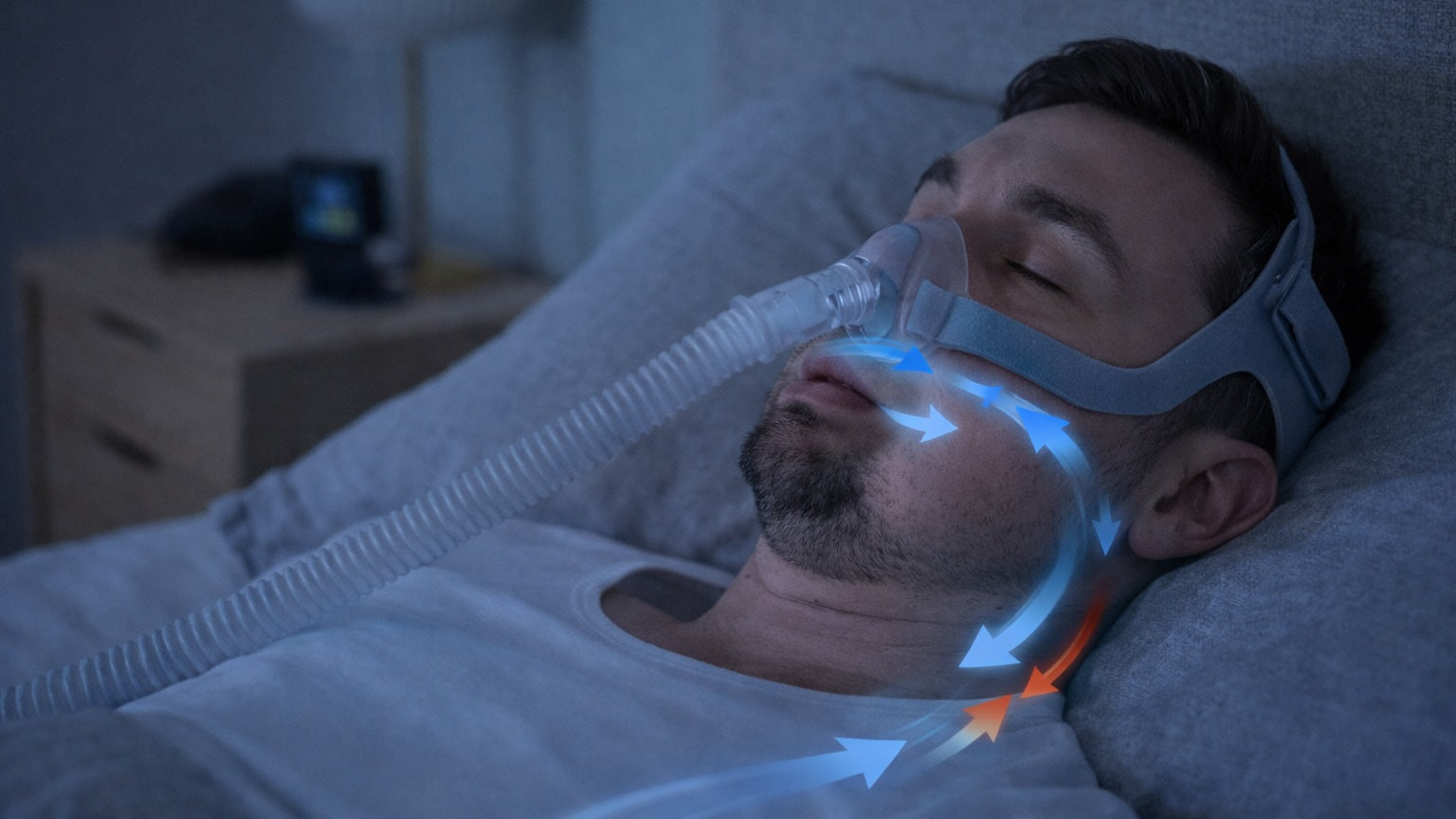
If snoring is loud, persistent, or associated with pauses in breathing, choking, or daytime fatigue, it is important to speak with a healthcare professional to rule out obstructive sleep apnoea.
Mouth tape is not a treatment for sleep apnoea.
The bottom line
Mouth tape can be highly effective when mouth breathing contributes to snoring.
However, results are not always instant. Consistency, nasal airflow, and overall sleep factors all play a role.
If you are unsure whether mouth taping is right for you, we are always happy to help guide you.