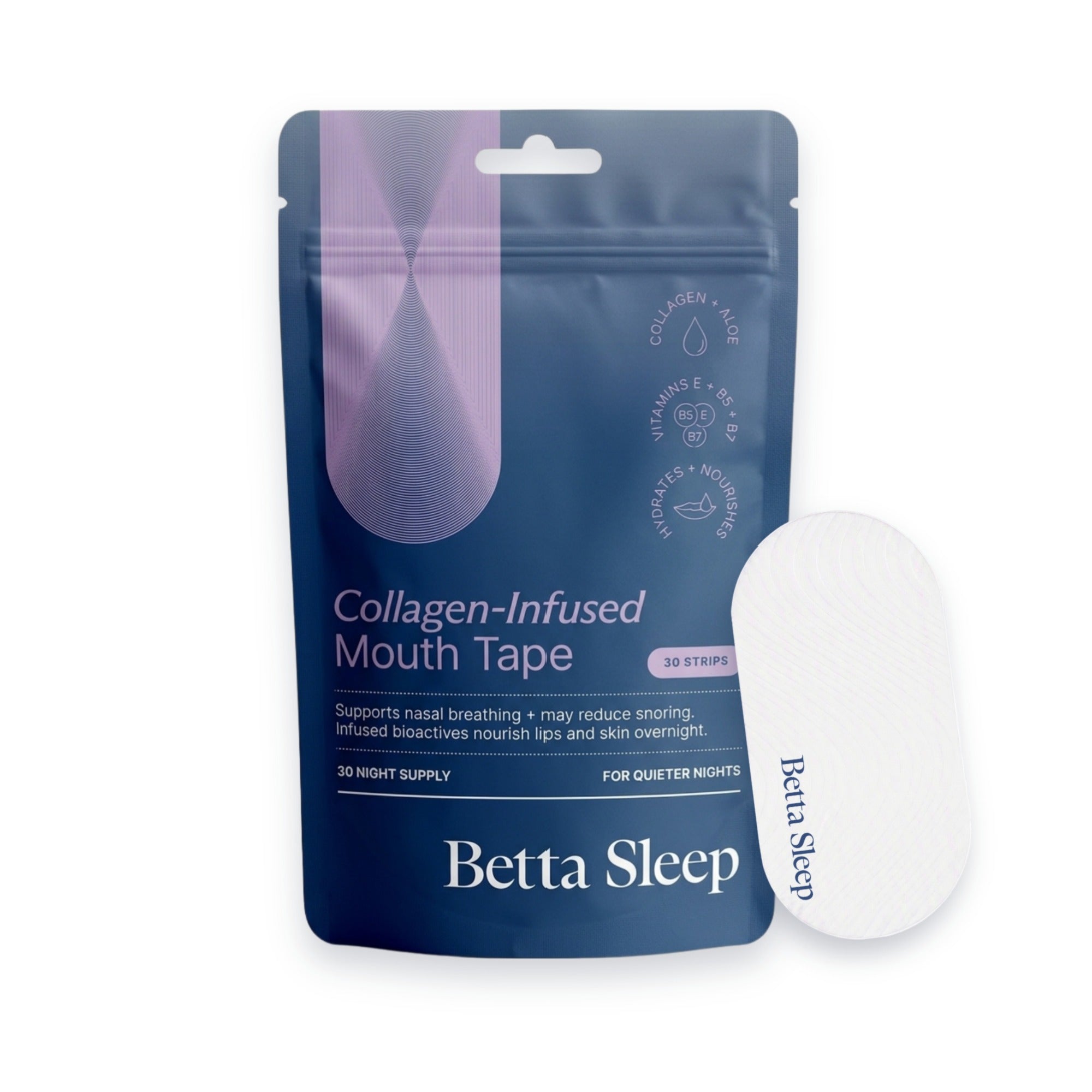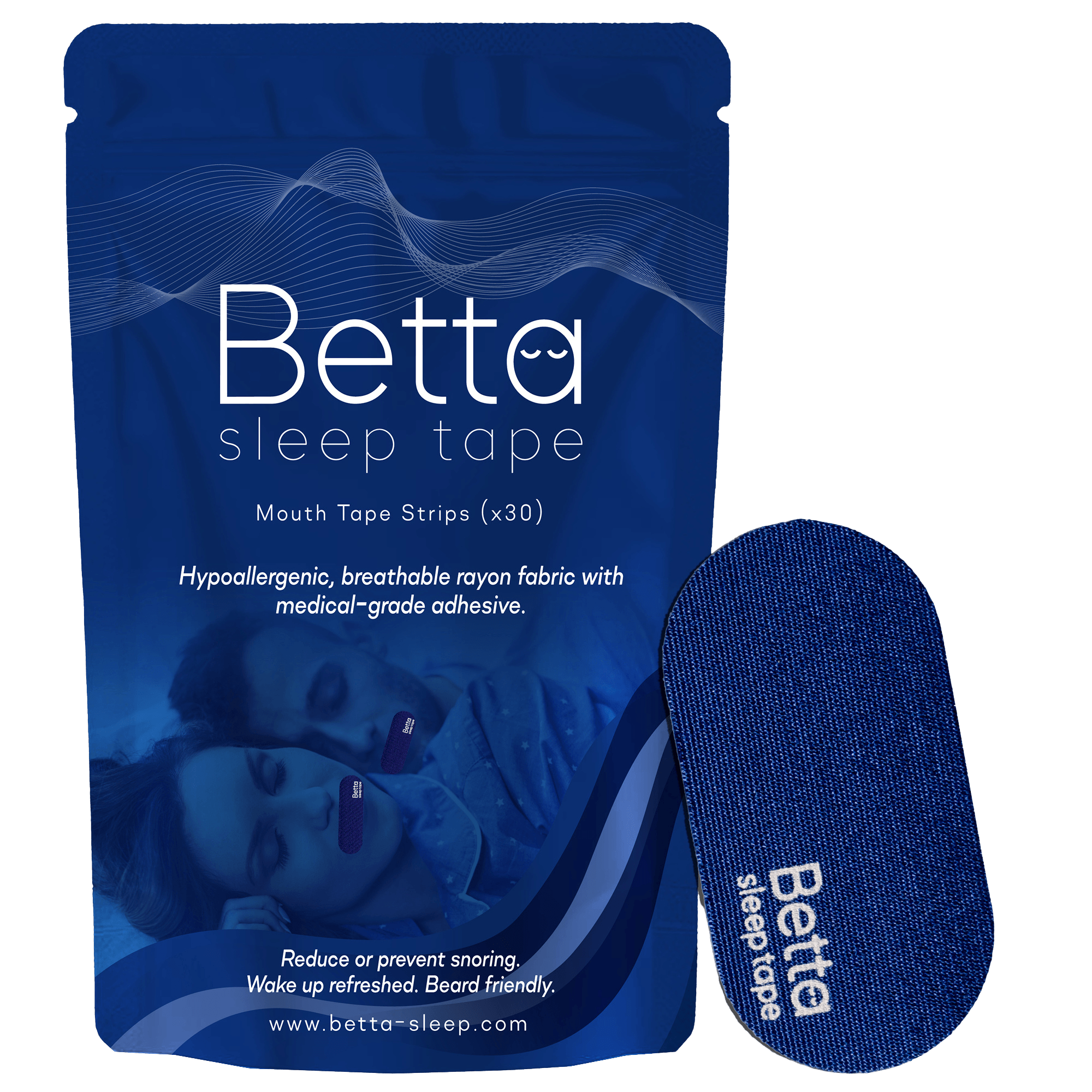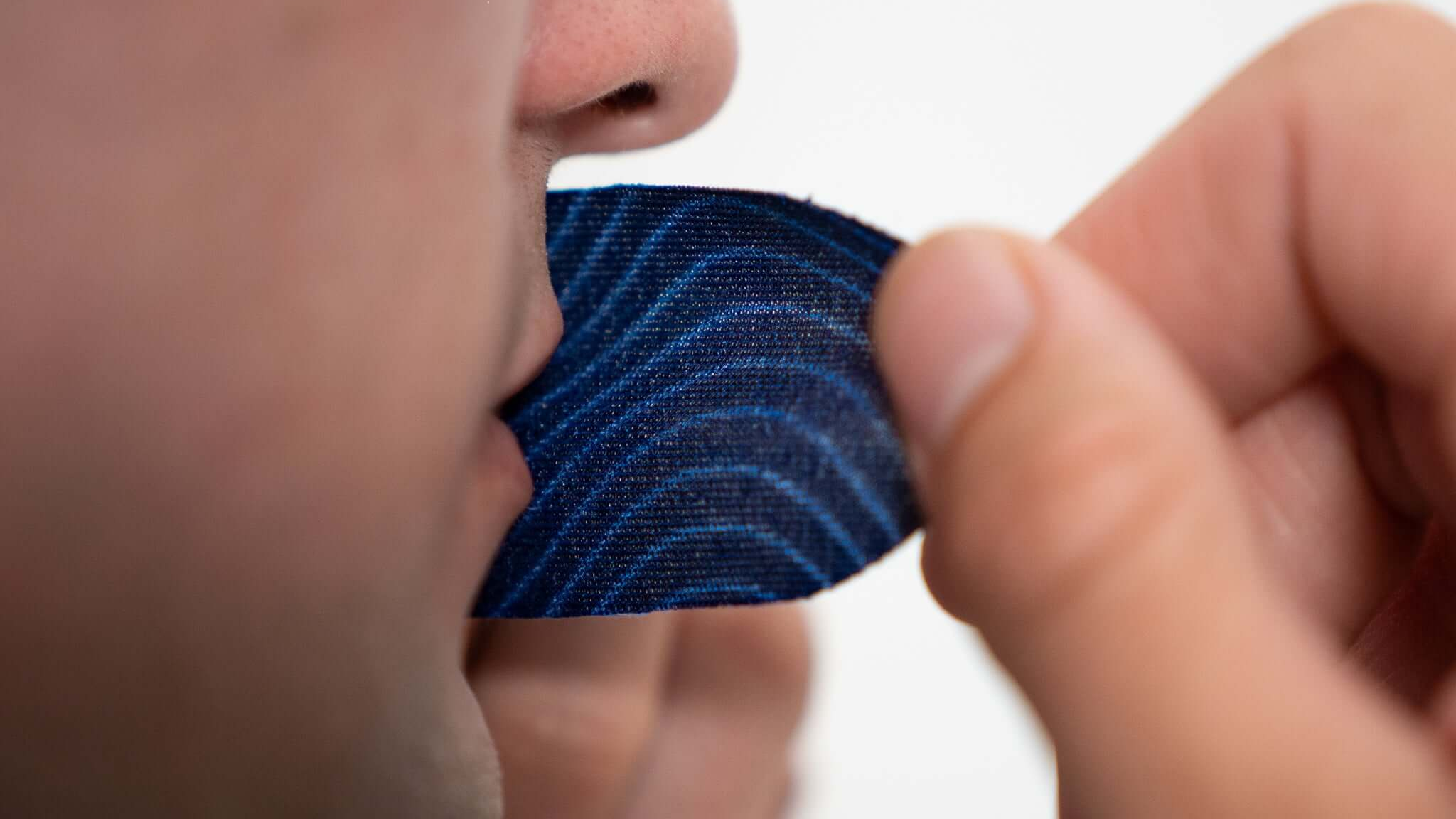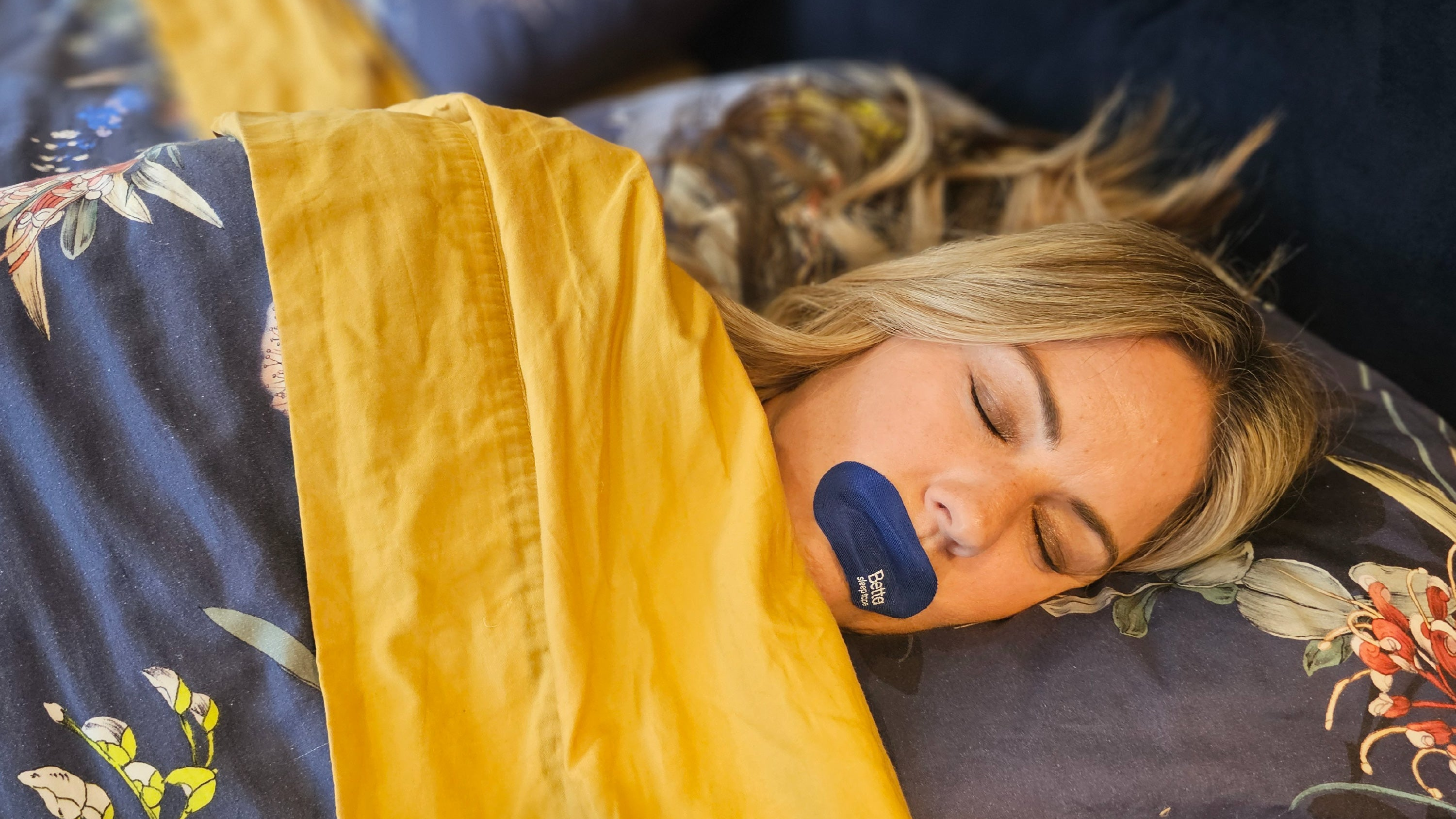
If you use mouth tape and notice air pushing against the tape, puffing your cheeks, or leaking out the sides, you are not alone.
It can feel strange. Sometimes it sounds like a tiny hiss. Sometimes the tape feels like it is “ballooning.”
Here’s what’s usually happening.
First: You are not trapping “bad air”
A common concern is that mouth tape traps stale air inside the mouth.
That is not how breathing works.
When you breathe through your nose, air enters through the nostrils, travels down the back of the throat, and into the lungs. Carbon dioxide exits the same way. You are not sealing off your airway. You are simply encouraging nasal breathing instead of mouth breathing.
So why does air push against the tape?
The airway is not a rigid pipe. It is made of soft tissue that shifts during sleep.
If your brain is still used to mouth breathing at night, it may attempt to exhale through the mouth out of habit. When that happens:
- Air builds briefly in the oral cavity
- Your cheeks may puff
- Air may push against the tape
- A tiny gap in the lips can allow air to escape
This is not dangerous. It is usually just the body adapting to a new breathing pattern.
Habit vs airflow
For many people, this is a habit issue rather than a sinus issue.
If you can comfortably breathe through your nose during the day with your mouth closed, your nasal airflow is likely adequate.
At night, however, the body can revert to old patterns. It may attempt to mouth breathe even when nasal breathing is possible. The tape simply reveals that habit.
Why tongue position matters
The tongue plays a major role in nasal breathing.
When resting gently against the roof of the mouth, the tongue helps support nasal airflow dominance. If the tongue drops toward the base of the mouth during sleep, the shape of the airway changes and the body may reflexively attempt to mouth breathe.
That brief attempt can create pressure against the tape.
Does this mean the tape is too strong?
Not necessarily.
Mouth tape must strike a balance. It needs to stay on overnight, but it must also allow comfortable removal and natural breathing.
If air is escaping through small gaps, that usually means the body is still adjusting rather than the tape being “too tight.”
When to pause and reassess
If nasal breathing feels restricted, congested, or uncomfortable, it is sensible to address nasal airflow first.
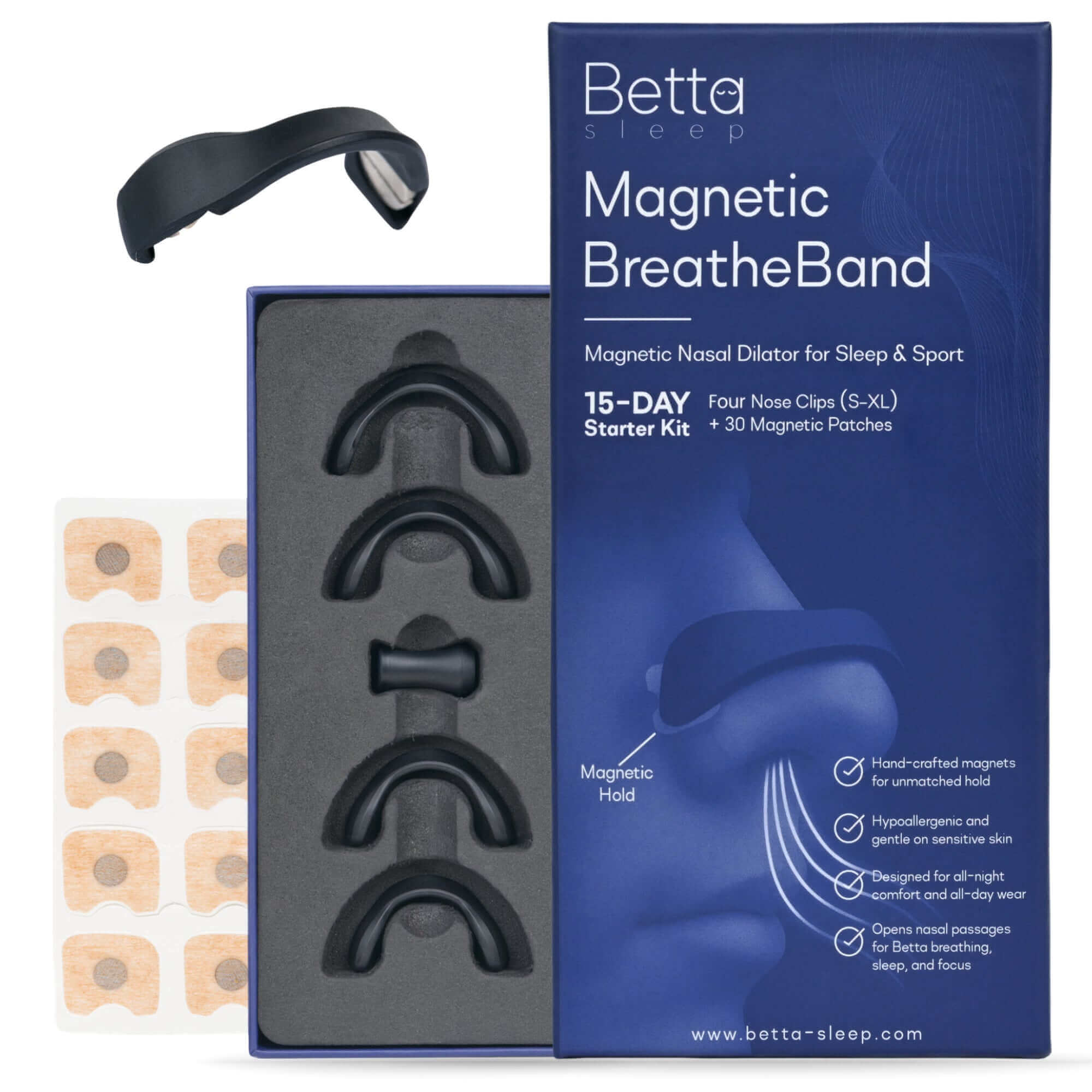
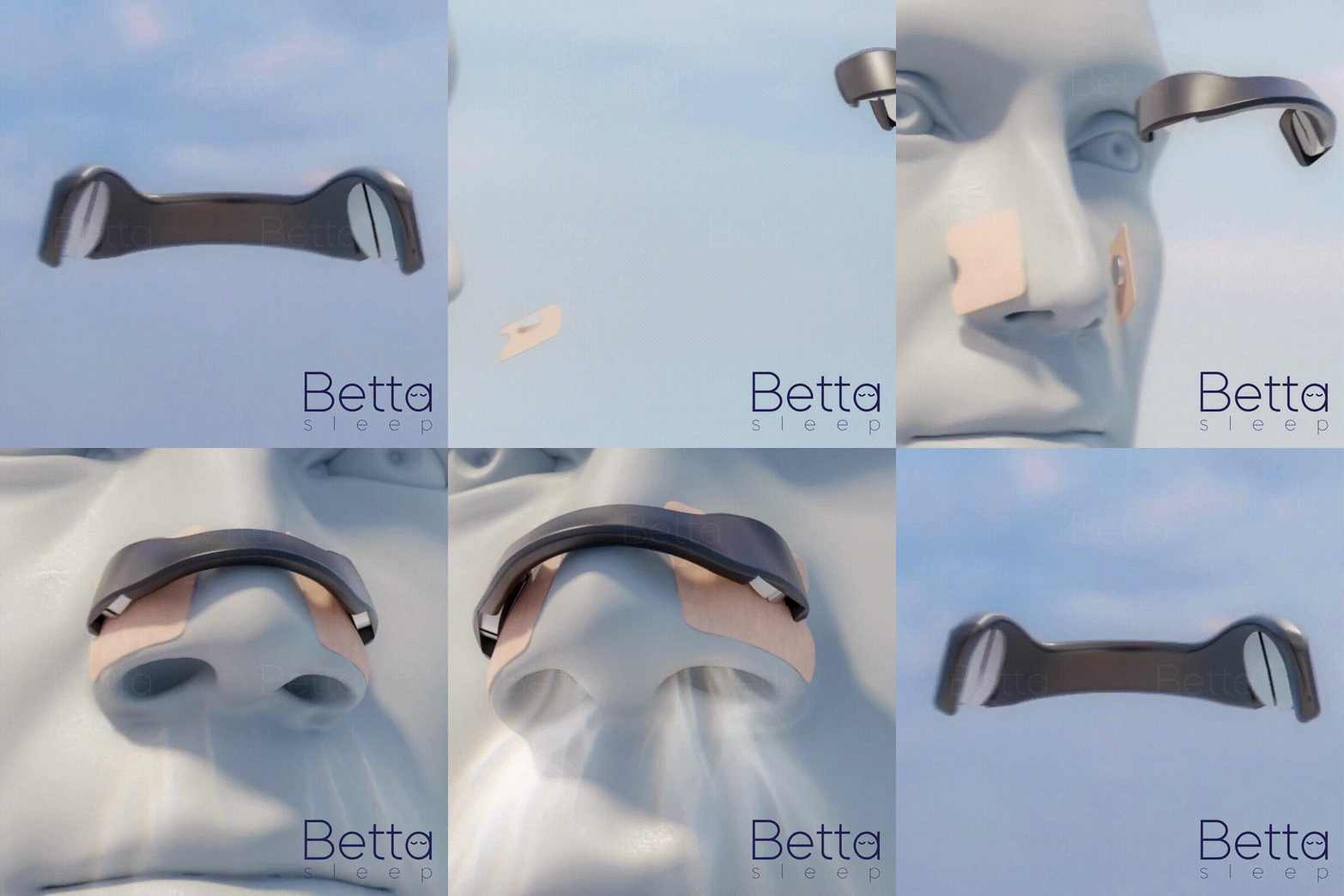
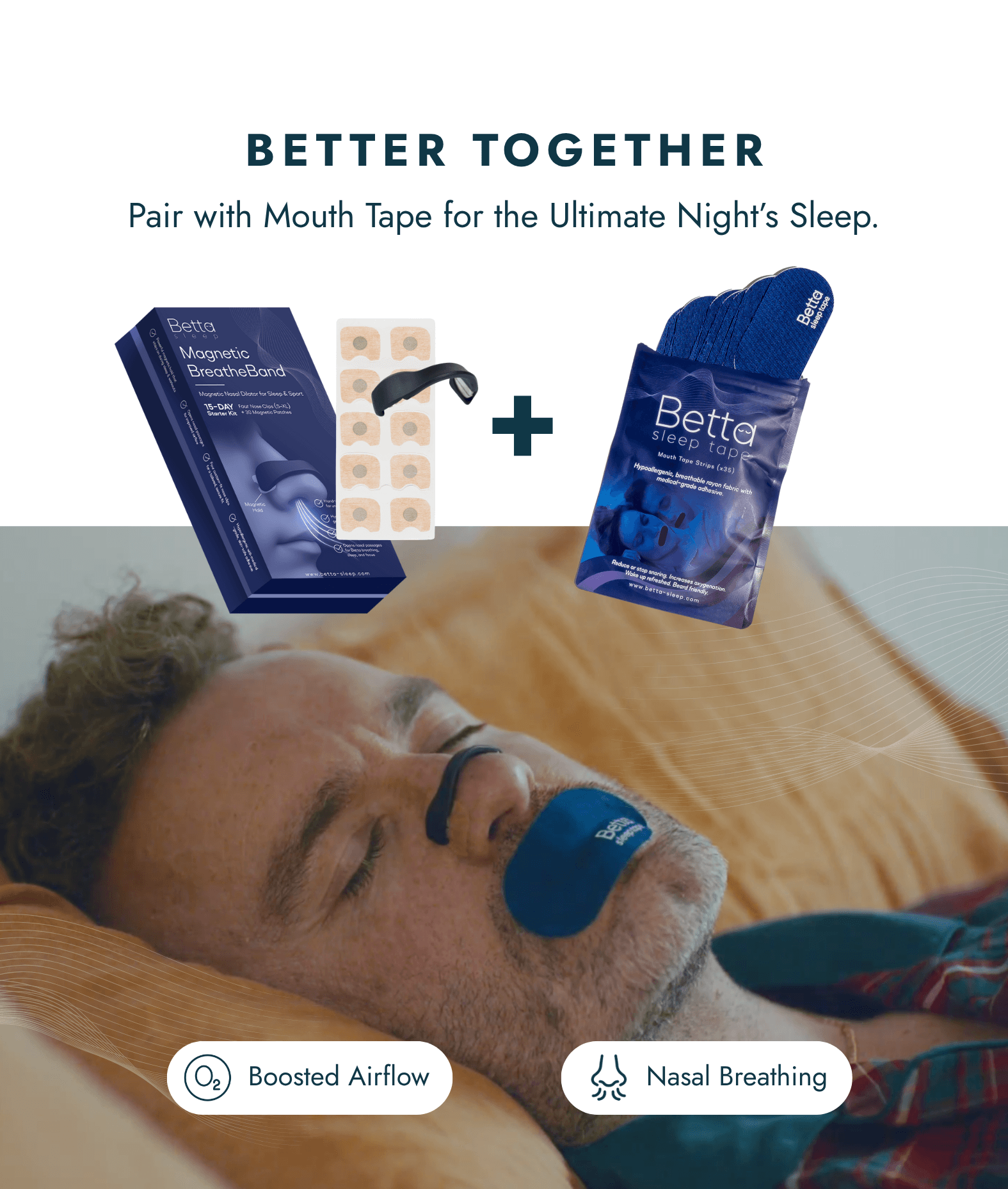
Many people combine mouth tape with gentle nasal support, such as:
-
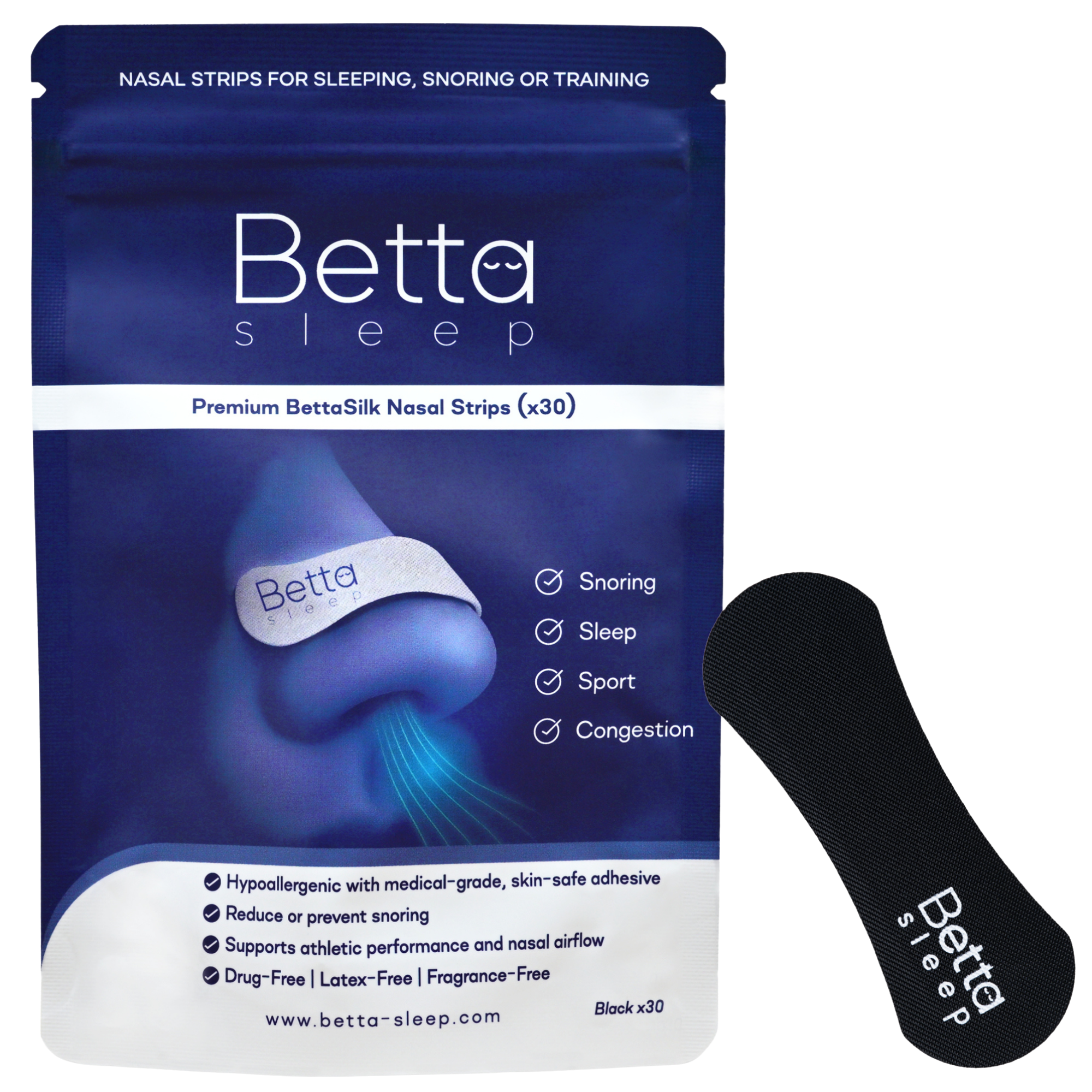
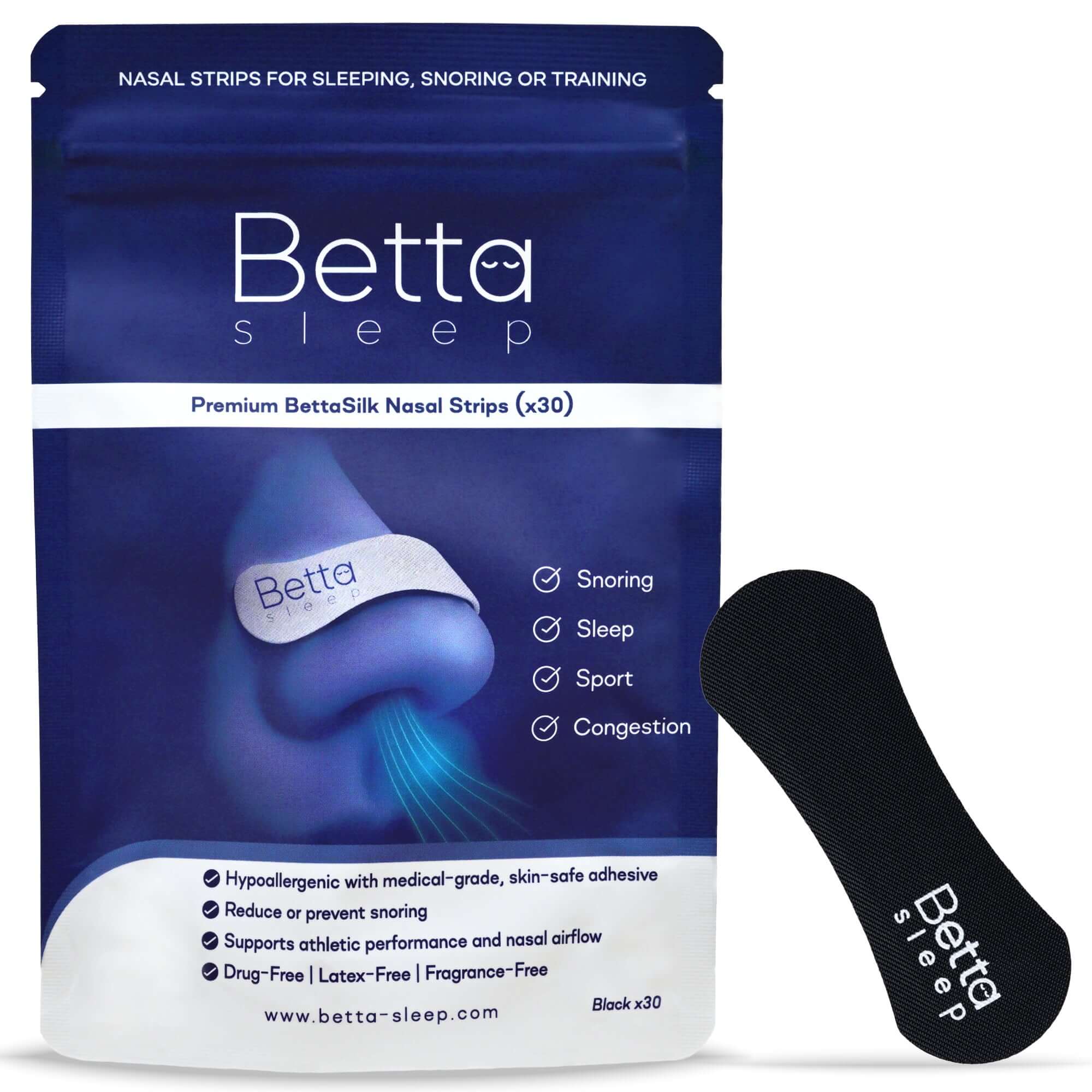
Nasal strips to support airflow
BettaSilk Nasal Strips
If you are new to mouth taping, start gradually and ensure nasal breathing feels easy before sleeping with tape overnight.
What usually happens over time
For many people, the cheek puffing and air pushing reduce as the brain adapts to nasal breathing at night.
The body learns that it does not need to open the mouth to breathe.
Mouth tape is not forcing anything. It is guiding the body back toward a natural nasal breathing pattern.
Important note
This article is for general education only and is not medical advice. If you have diagnosed sleep apnoea, persistent breathing difficulty, or concerns about your breathing during sleep, speak with your healthcare professional.