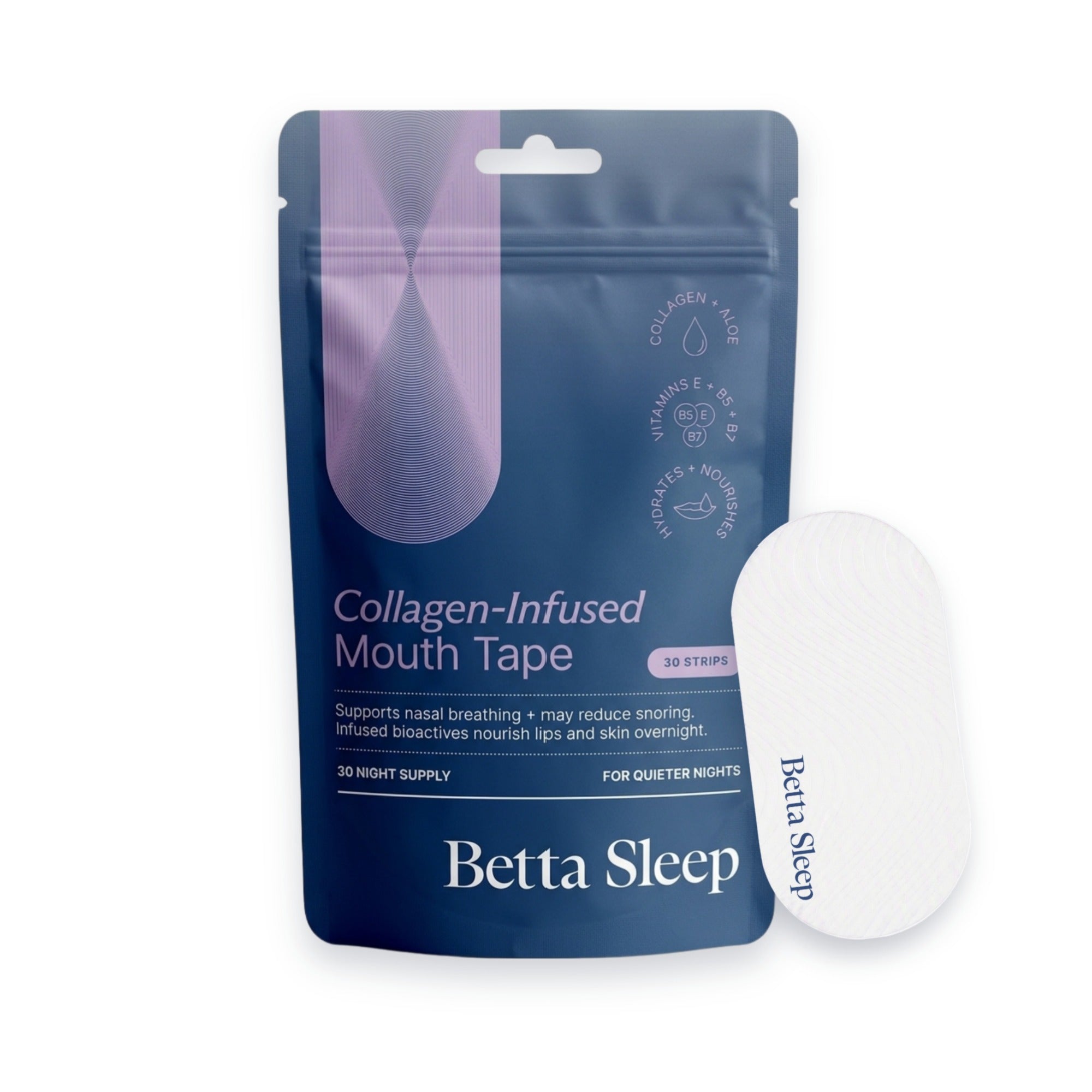
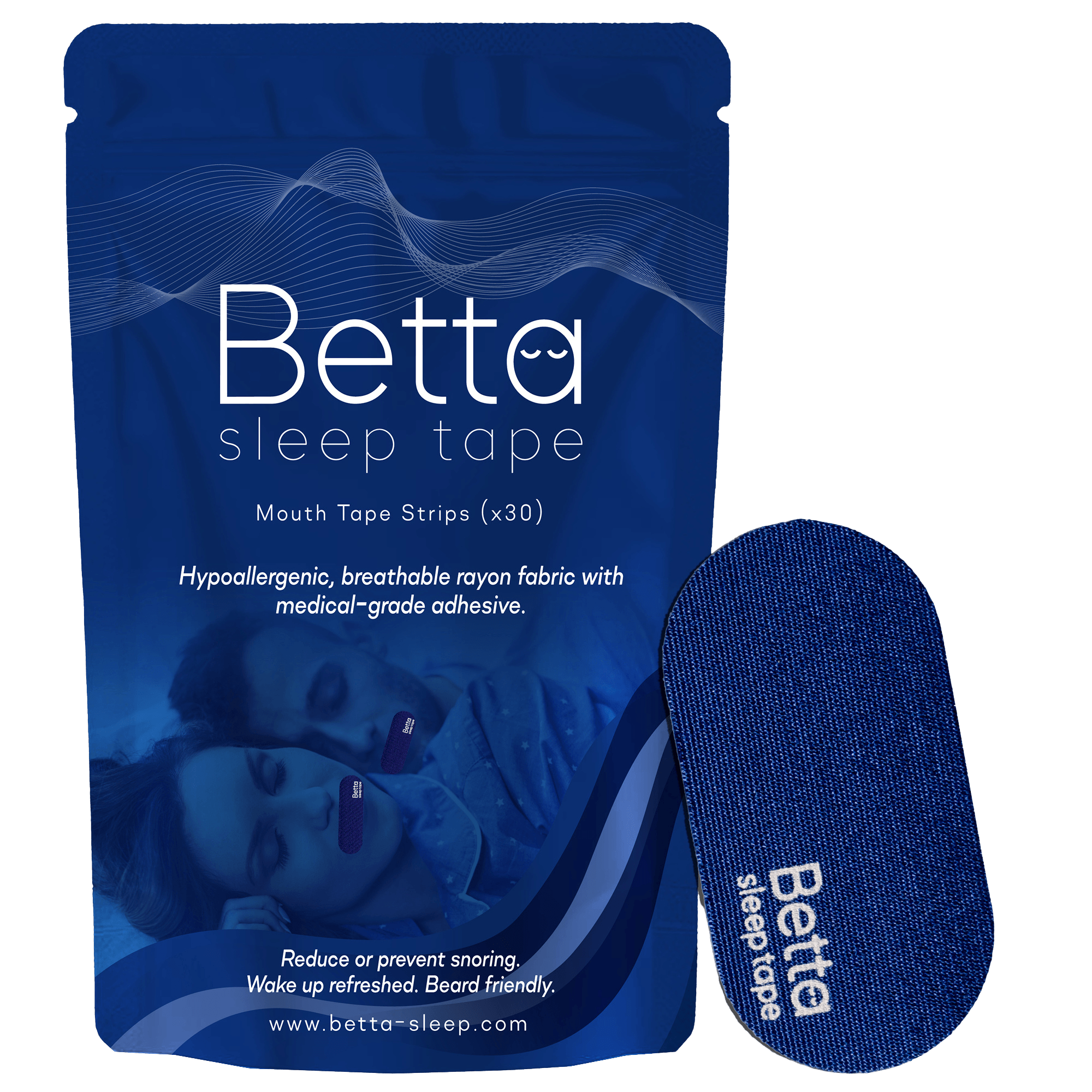
Why We Test What Touches Your Lips

Your mouth is one of the most absorbent areas of the body. During sleep, when breathing slows and tissues are relaxed, anything placed on the lips sits there for hours at a time.
That’s why we believe mouth tape should support your health, not compromise it.
Many adhesives and tapes on the market are never tested for chemical safety. Some may contain trace contaminants that are harmless in other applications, but questionable when used nightly on sensitive skin near the mouth.
At Betta Sleep, we test our mouth tape through an independent, third-party laboratory so you can make an informed decision about what you’re putting on your body, every night.
What we test for:
Lead, cadmium, arsenic, and mercury
Why it matters:
Heavy metals occur naturally in the environment and can be introduced during raw material sourcing or manufacturing. Chronic exposure, especially near the mouth, has been linked to neurological, hormonal, and developmental concerns.
Our results:
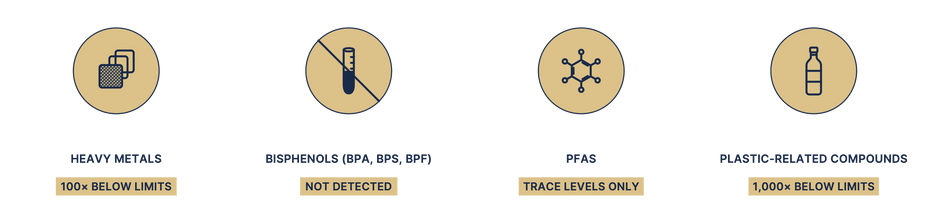
100x Below Safe Limits
What this means:
Independent lab testing found only trace amounts, measured in parts per billion. Every result came in more than 100 times below the internationally recognised limits for cosmetic and skin-contact products, so you can tape with confidence every night.
What we test for:
Bisphenol A (BPA), Bisphenol S (BPS), and Bisphenol F (BPF)
Why it matters:
Bisphenols are commonly used in plastics and resins and are known for their potential to interfere with hormone signaling. Because mouth tape sits directly on the lips, even trace exposure is worth scrutinising.
Our results:
Not Detected
What this means:
Independent lab testing found no detectable BPA, BPS, or BPF. All three came back below the laboratory's detectable limits, so nothing measurable touches your lips.
What we test for:
Per- and polyfluoroalkyl substances (PFAS)
Why it matters:
PFAS are used to improve durability and resistance in many consumer products. They persist in the environment and have been linked to hormone disruption, immune effects, and other long-term health concerns.
Our results:
Trace Levels Only
What this means:
Most of the PFAS compounds tested were not detected. A small number were found at trace levels, measured in parts per billion. We publish the full third-party results so you can see exactly what's in our tape and decide for yourself.
What we test for:
A broad panel of phthalates and related plasticizers
Why it matters:
Phthalates are sometimes used to increase flexibility in plastics and adhesives. Some are restricted or closely monitored due to potential endocrine effects.
Our results:
1,000x Below Safe Limits
What this means:
Most plastic-related compounds were not detected. A small number were found at trace levels, measured in parts per billion, more than 1,000 times below the limits set for toys and items intended for mouth contact. Safe to tape every night.
The Betta Sleep Collection