Does Mouth Taping Work? Here’s What the Science Says
Know someone who needs to keep their mouth shut? Turns out that someone is all of us. Mouth tape can help train better breathing during sleep.
Popularised after James Nestor’s book Breath and later TikTok, mouth taping is not just a trend. It encourages nasal breathing by gently keeping the mouth closed while you sleep.
Nasal breathing helps condition the air before it enters the lungs, supports efficient CO₂ exchange, and filters more particles than mouth breathing. This blog breaks down what mouth taping is, why people use it, and what the science says.
The What: Mouth Tape Explained
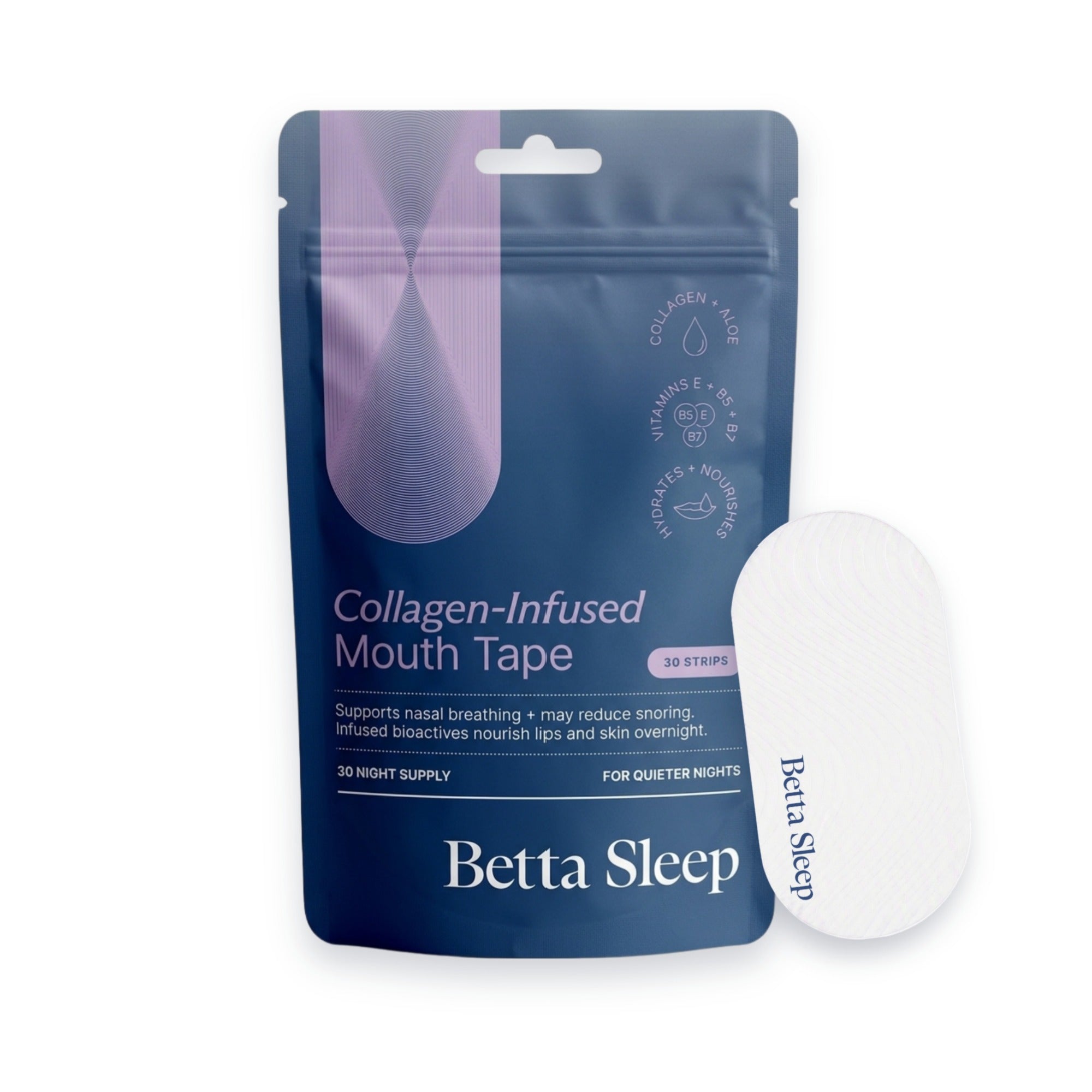
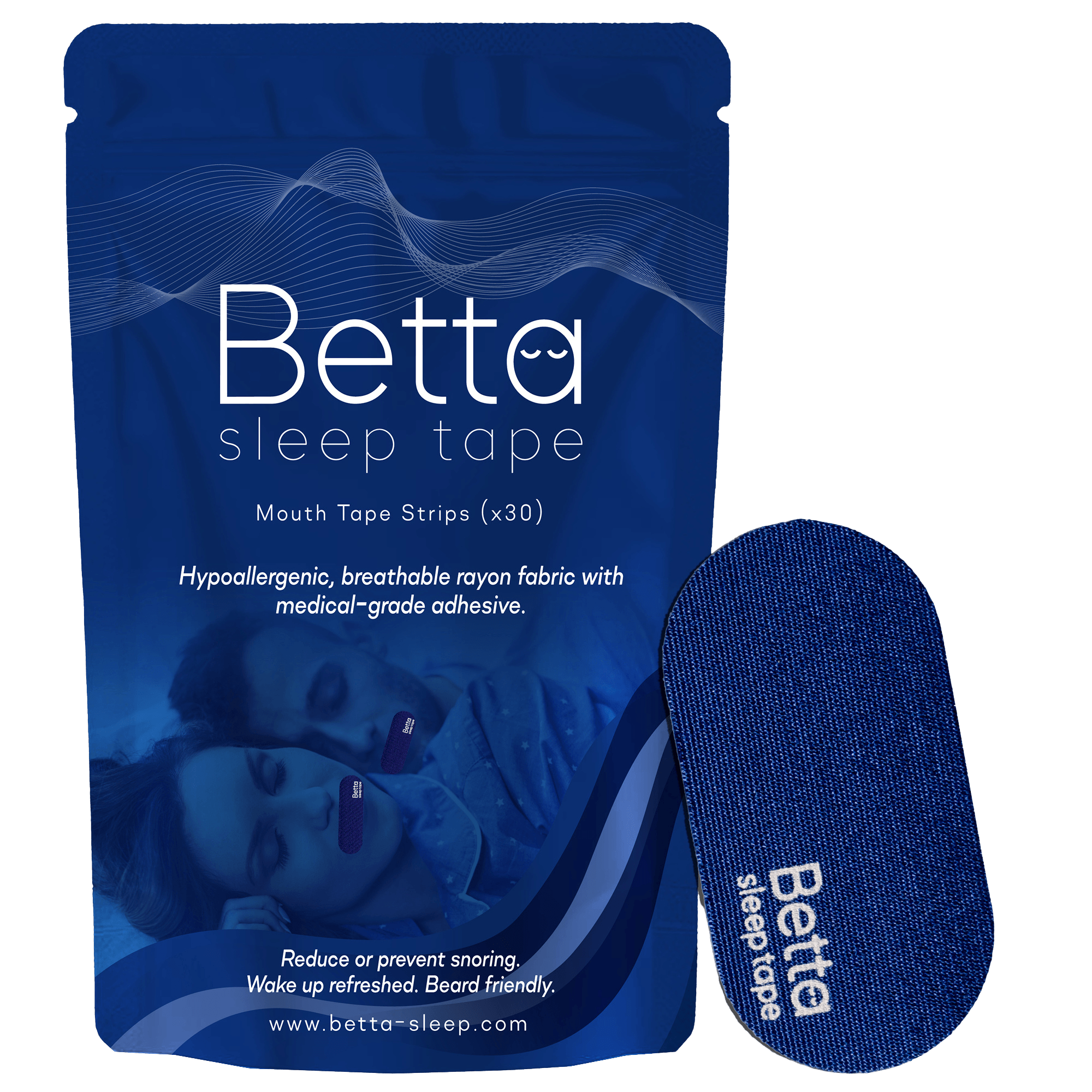
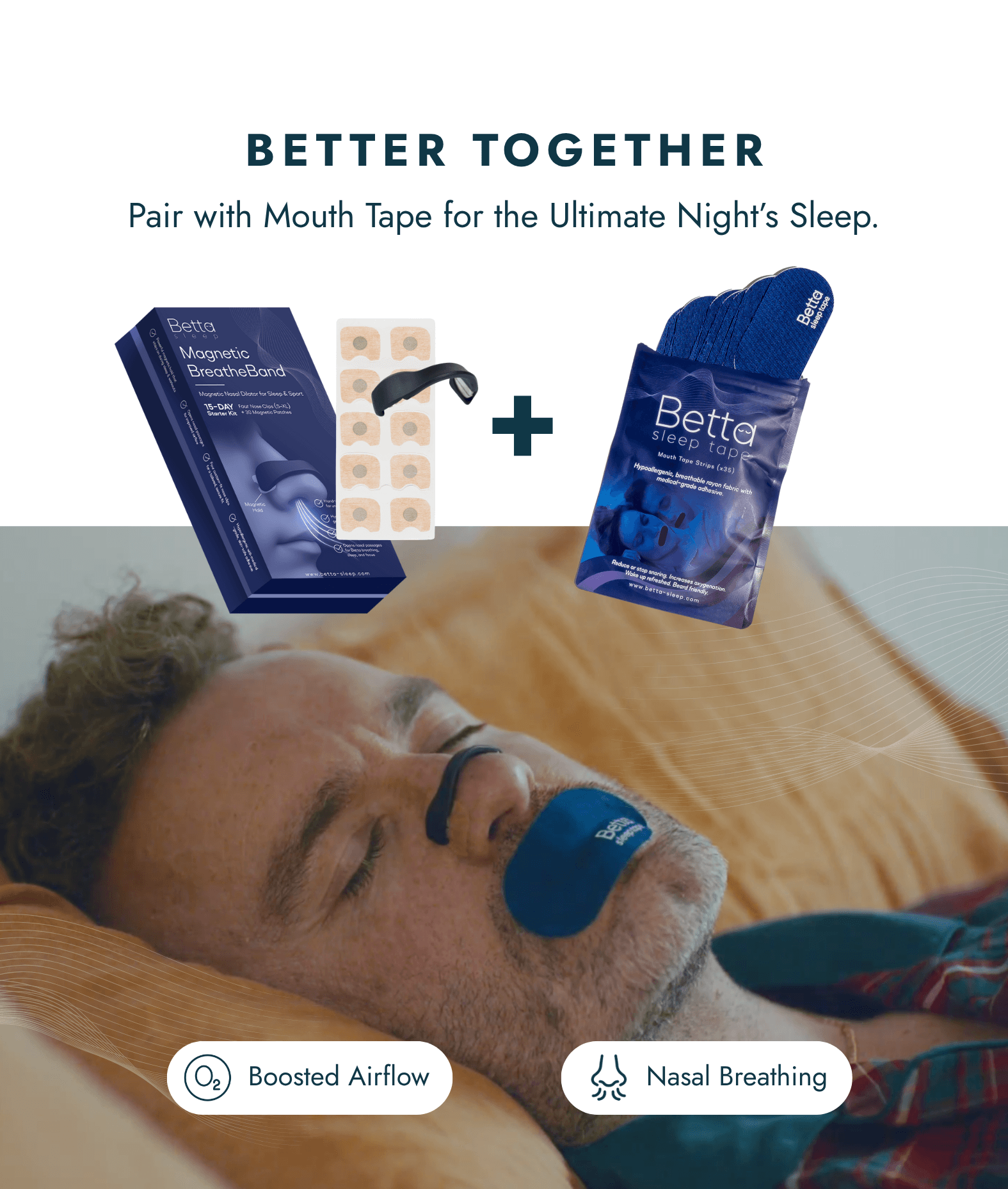
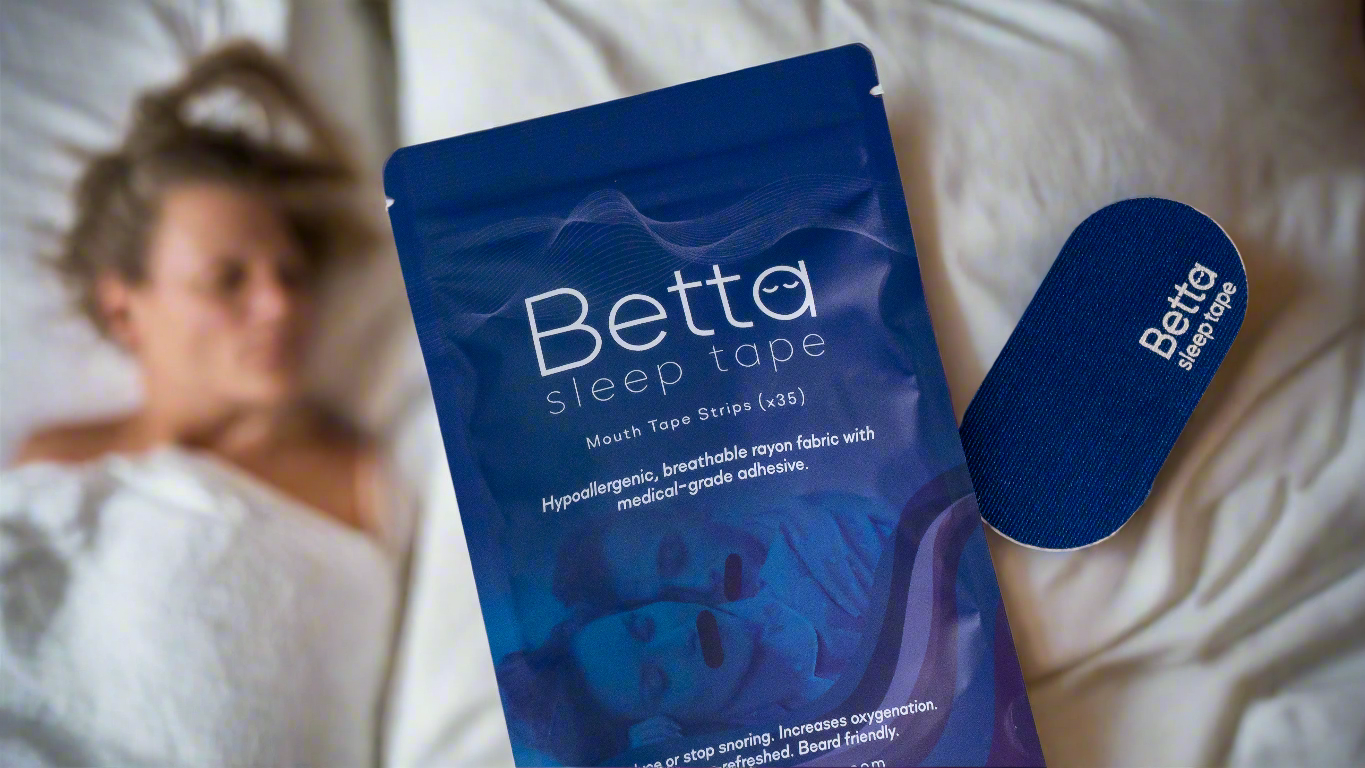
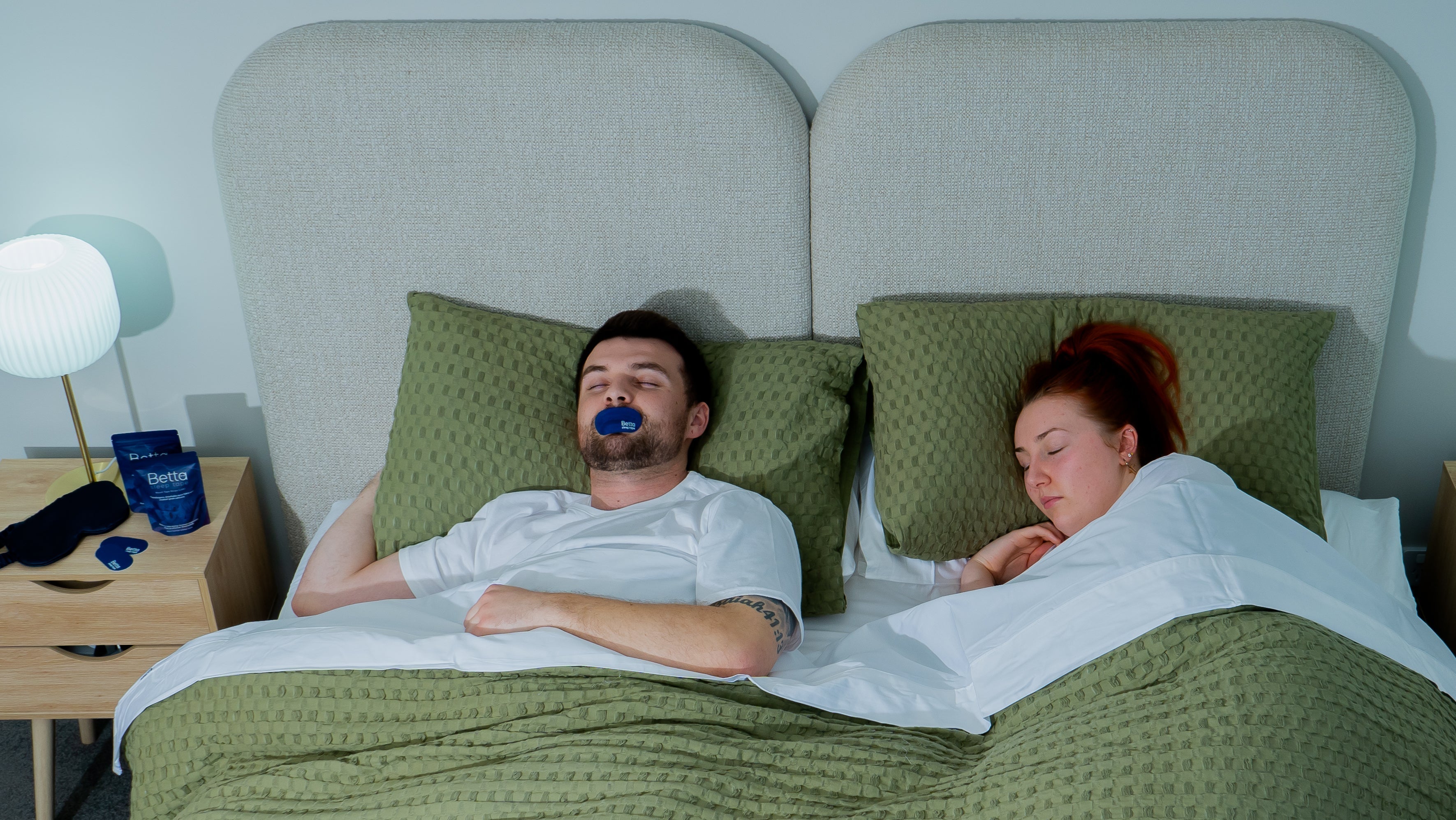
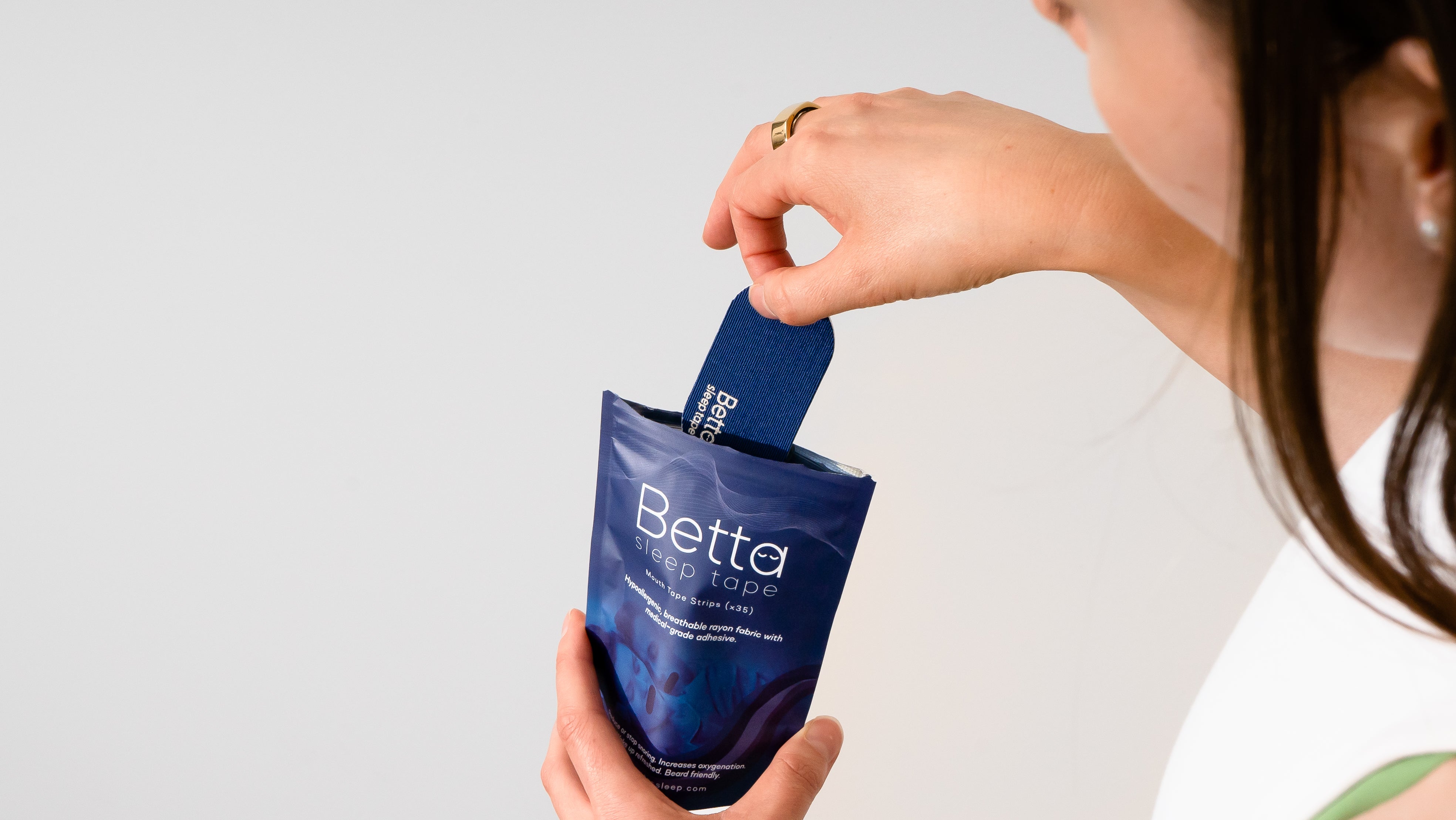
Mouth tape is a simple tool designed to keep your mouth closed at night. Using a gentle, hypoallergenic adhesive, it encourages natural nasal breathing and helps reduce the effects of chronic mouth breathing.
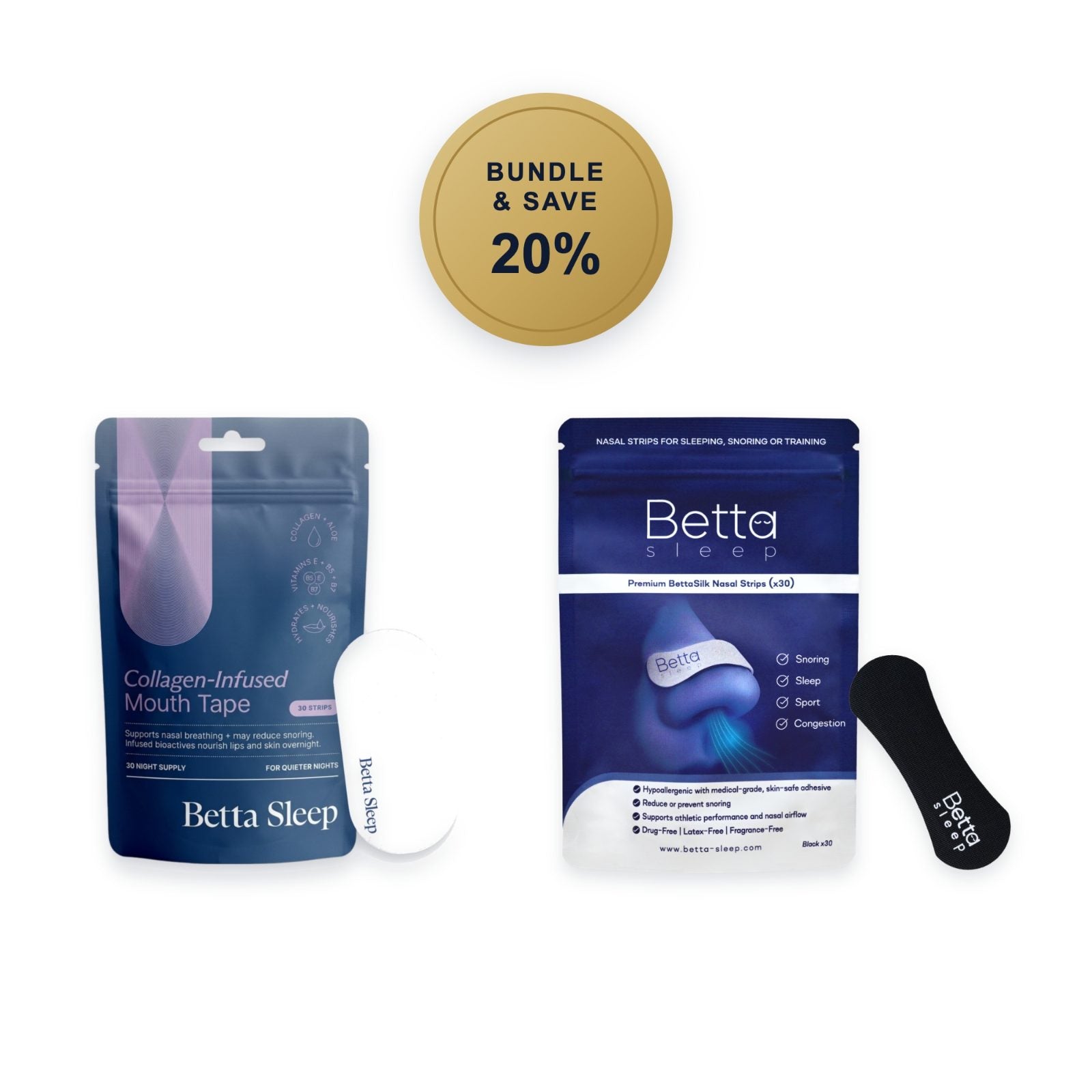
If you want to try it yourself, the Betta Sleep version is here: Betta Sleep Mouth Tape
Benefits of nasal breathing include:
- conditioning and humidifying the air
- filtering allergens and pollutants
- supporting calmer breathing patterns
- improving CO₂ exchange
Nasal breathing supports better airflow, better sleep, and fewer symptoms linked to mouth breathing.
The Problem Mouth Tape Helps Solve
So why use mouth tape at all? Because many people mouth-breathe during sleep without realising it. Over time, this can affect energy, focus, and overall rest.
1. Reduced Breathing Efficiency
The nose is designed to filter, warm, and humidify air before it enters the lungs. Breathing through the mouth bypasses this, making breathing less efficient over time.
2. Snoring
Mouth breathing is one of the main contributors to snoring. Keeping the mouth closed helps reduce airway vibration and can improve sleep for both you and your partner.
3. CPAP Compatibility
For people using CPAP, mouth breathing can let air escape and reduce the effectiveness of therapy. Nasal breathing helps the system work as intended.
4. Dry Lips and Dry Mouth at Night
Mouth breathing exposes your lips to airflow for hours, which can cause dryness, peeling, and constant thirst on waking. Many people who switch to nasal breathing notice their lips become less dry and their mouth stays more hydrated overnight.
If you want to explore all Betta Sleep products designed to support nasal breathing, visit the full range: Betta Sleep Collection
The Benefits of Nasal Breathing
1. Better Oxygen Uptake
Nasal breathing regulates airflow and supports efficient gas exchange.
2. Cardiovascular Support
Proper nasal breathing can help regulate breathing patterns, which supports healthy blood pressure.
3. Mental Clarity
Better, calmer breathing overnight can support focus and daytime energy.
4. Quieter Nights
Keeping the mouth closed often results in less snoring and a quieter sleep environment.
5. Improved CPAP Outcomes
For CPAP users, nasal breathing helps maintain pressure and reduce air leaks.
The Bottom Line
Mouth breathing during sleep is common, but it can affect your rest more than you realise. From snoring to disrupted sleep quality, the effects add up. Mouth taping offers a simple and low-cost way to encourage nasal breathing and support better sleep, better energy, and overall wellbeing.
If you want to try mouth taping, you can start here: Betta Sleep Mouth Tape